
Request a consultation (702) 475-8884Nevada   /   California
Personal injury • Commercial vehicles

California and Nevada Truck Accident
Lawyer

Injured in a California or Nevada truck crash? Learn how driver, carrier, cargo, maintenance, electronic records, and state law affect a claim.

Investigate the business behind the truck

A commercial crash is not just a bigger car accident

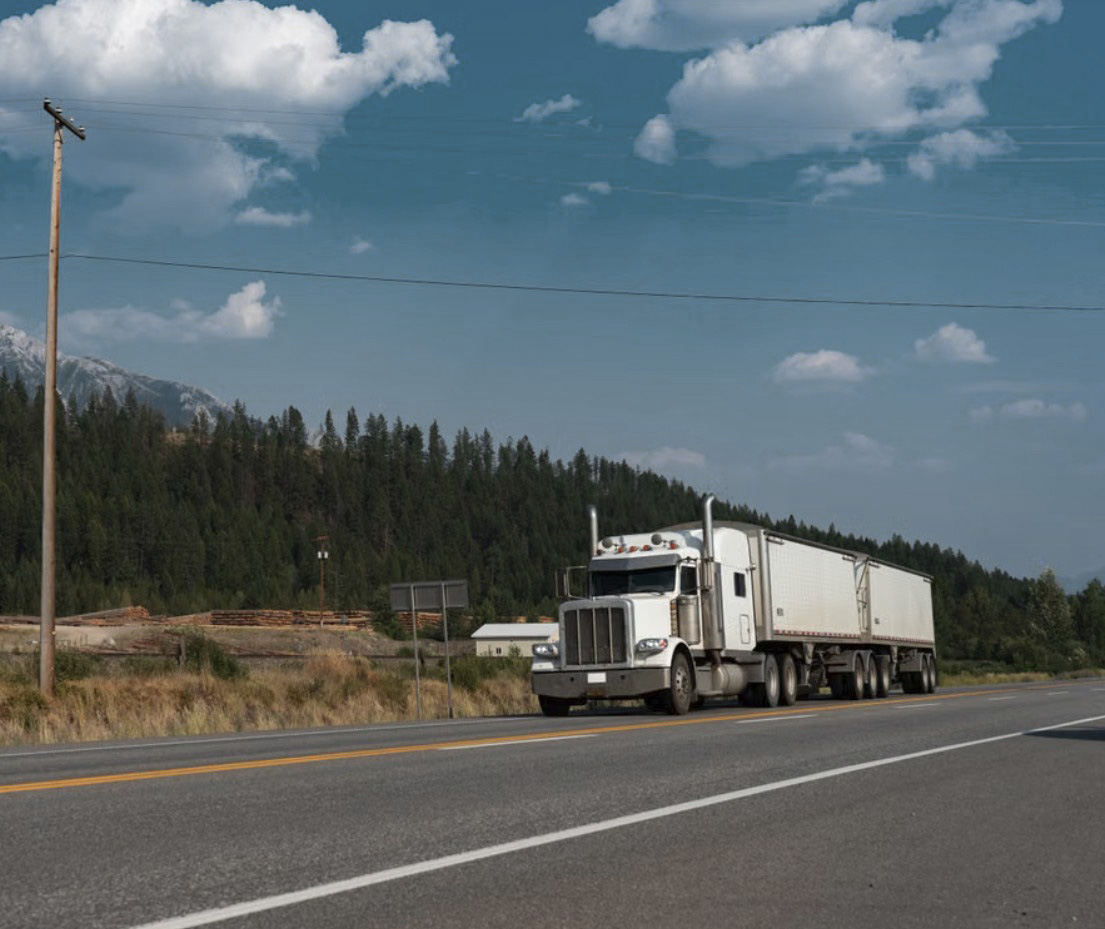
When a tractor-trailer, delivery truck, construction vehicle, or commercial van causes a collision, several businesses may have played a role before the driver reached the road. Hiring, training, scheduling, maintenance, cargo loading, route planning, and contractor relationships can all matter. The company name on the door may not identify the motor carrier, vehicle owner, broker, shipper, or maintenance provider behind the trip.

Commercial-vehicle claims require a review of both the crash and the business decisions that may have contributed to it. The Medrala Law Firm conducts that investigation for clients in California and Nevada.

Driver, vehicle & operating records

Records that should be preserved early

Commercial vehicle records

Commercial cases often generate evidence that an ordinary collision does not: driver logs, electronic logging-device data, dispatch messages, bills of lading, qualification files, inspection reports, maintenance history, onboard video, engine-control data, telematics, weigh records, and post-crash testing. Some records are retained only for defined periods or may be overwritten in ordinary operations. A focused preservation notice should identify the vehicle, driver, trip, cargo, electronic systems, and relevant date range.
Operations & crash causes

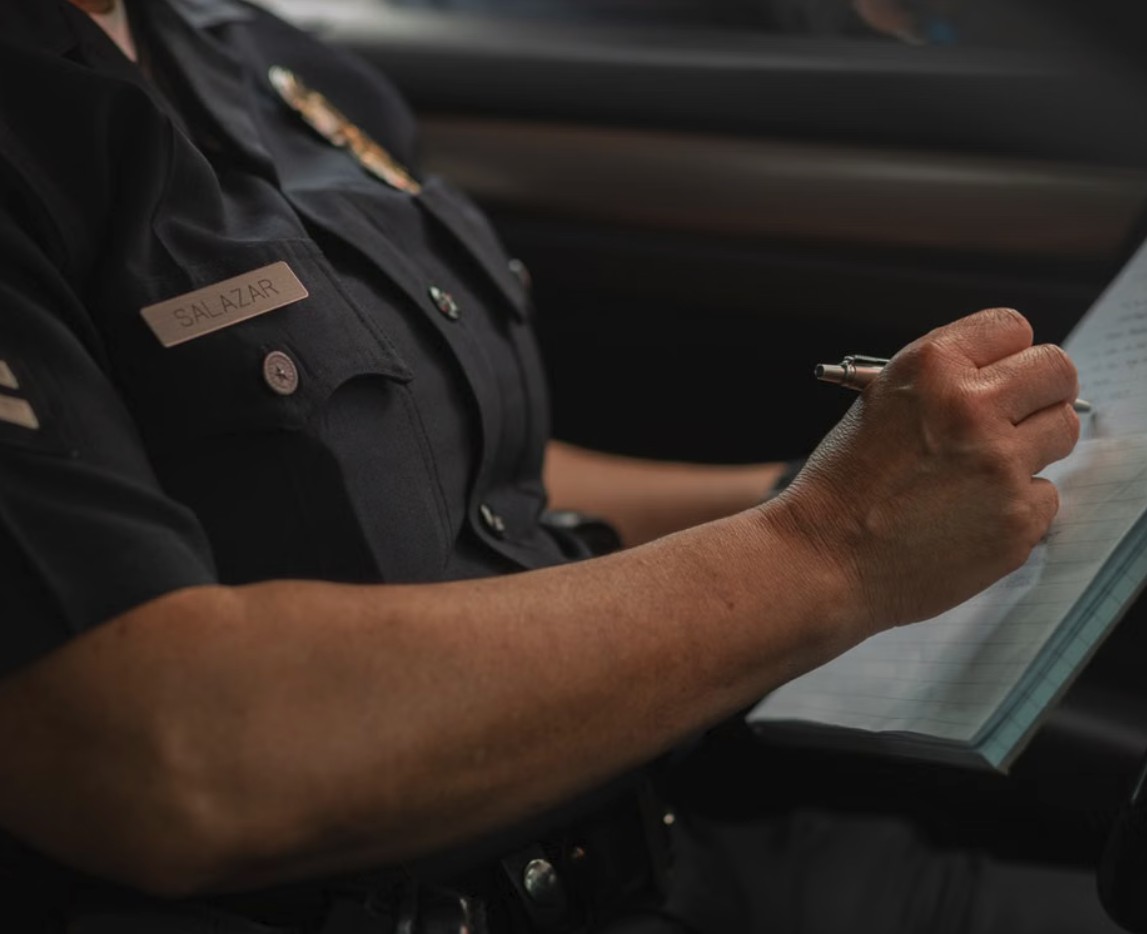
Common issues include fatigue, distraction, speed, unsafe following distance, poor training, pressure to meet delivery schedules, unbalanced or unsecured cargo, brake or tire failure, and neglected inspections. Federal motor-carrier rules may apply to interstate operations, but a regulatory violation does not replace the need to prove causation and the governing state-law claim.

The businesses behind the trip

Potential defendants may include the driver, motor carrier, employer, vehicle or trailer owner, maintenance company, loading contractor, broker, shipper, manufacturer, or roadway entity. Contracts, insurance filings, corporate records, and control over the work help determine who belongs in the case.

Truck collisions can produce multiple injuries and limited insurance disputes among occupants. Medical evidence may need to address brain or spinal injury, fractures, burns, organ damage, amputation, scarring, rehabilitation, future care, and loss of earning capacity. Fatal crashes may also support distinct wrongful-death and survival claims.

Commercial claims across state lines

California and Nevada distinctions

California:

California uses pure comparative fault, reducing damages by a claimant’s percentage of responsibility without automatically barring a partially at-fault claimant. A negligence injury action generally carries a two-year limitations period, while a claim involving a state or local public roadway or vehicle may require a written government claim within six months after accrual. California employment, agency, and direct-negligence rules determine when a carrier or other business may be responsible.

Nevada:

Under Nevada’s ordinary negligence rules, the injured person’s share generally cannot exceed the combined negligence of the defendants against whom recovery is pursued; any permitted award is reduced by that person’s allocated fault. The filing period for a truck-injury claim is commonly two years, but exceptions may alter the time available. Nevada agency, negligent-entrustment, and business-liability issues require fact-specific analysis.

Interstate routes often cross both states, but the crash location is not the only possible legal contact. The parties, contracts, insurance policies, and conduct may raise jurisdiction and choice-of-law questions that should be resolved rather than assumed.

Identify the truck and preserve proof

What to save after a truck crash

Obtain medical care and report the collision. Photograph the tractor, trailer, company markings, license and unit numbers, cargo, debris, road, and visible injuries. Save witness contacts, dash-camera files, receipts, work-loss records, and all insurance correspondence. Avoid signing a broad release or allowing critical vehicle evidence to be destroyed before the responsible companies and policies are identified.

Discuss the truck and carrier
Truck Accidents

Truck accident questions

View all FAQs

Is the trucking company always responsible for its driver?

Not automatically. Responsibility can depend on employment or agency, scope of work, operational control, contracts, and direct company conduct such as hiring, training, scheduling, or maintenance.

What if the truck driver received no citation?

A citation is not required for a civil claim. Electronic data, video, physical evidence, witness accounts, and company records may support negligence even when no ticket was issued.

Why send a preservation letter quickly?

Because logs, video, telematics, dispatch records, and physical components may be lost through routine retention, repair, or disposal. Specific early notice helps define what must be kept.

Examine the commercial operation

Investigate your commercial-vehicle claim.

Contact The Medrala Law Firm after a California or Nevada commercial-vehicle crash to investigate the driver, carrier, electronic records, cargo, maintenance, insurance, and state-specific deadlines.