
Request a consultation (702) 475-8884Nevada   /   California
Personal injury • Rideshare collisions

California and Nevada Uber and Lyft Accident
Lawyer

Injured in an Uber or Lyft crash in California or Nevada? Learn how app status, insurance, evidence, and state law shape a rideshare claim.

The app status changes the claim

Why a rideshare crash is different

An Uber or Lyft collision is not simply a car accident with a company logo. Insurance can change according to the driver’s exact app status: offline, logged in and waiting, traveling to an accepted ride, or transporting a passenger. Digital records may establish that status, but they should be preserved before an insurance dispute develops.

We assist rideshare passengers, drivers, motorists, bicyclists, and pedestrians injured in California and Nevada. The investigation addresses both parts of the claim at once—who caused the collision and which policy covered that moment.

From pickup to impact

How these crashes happen

Pickup & route conditions

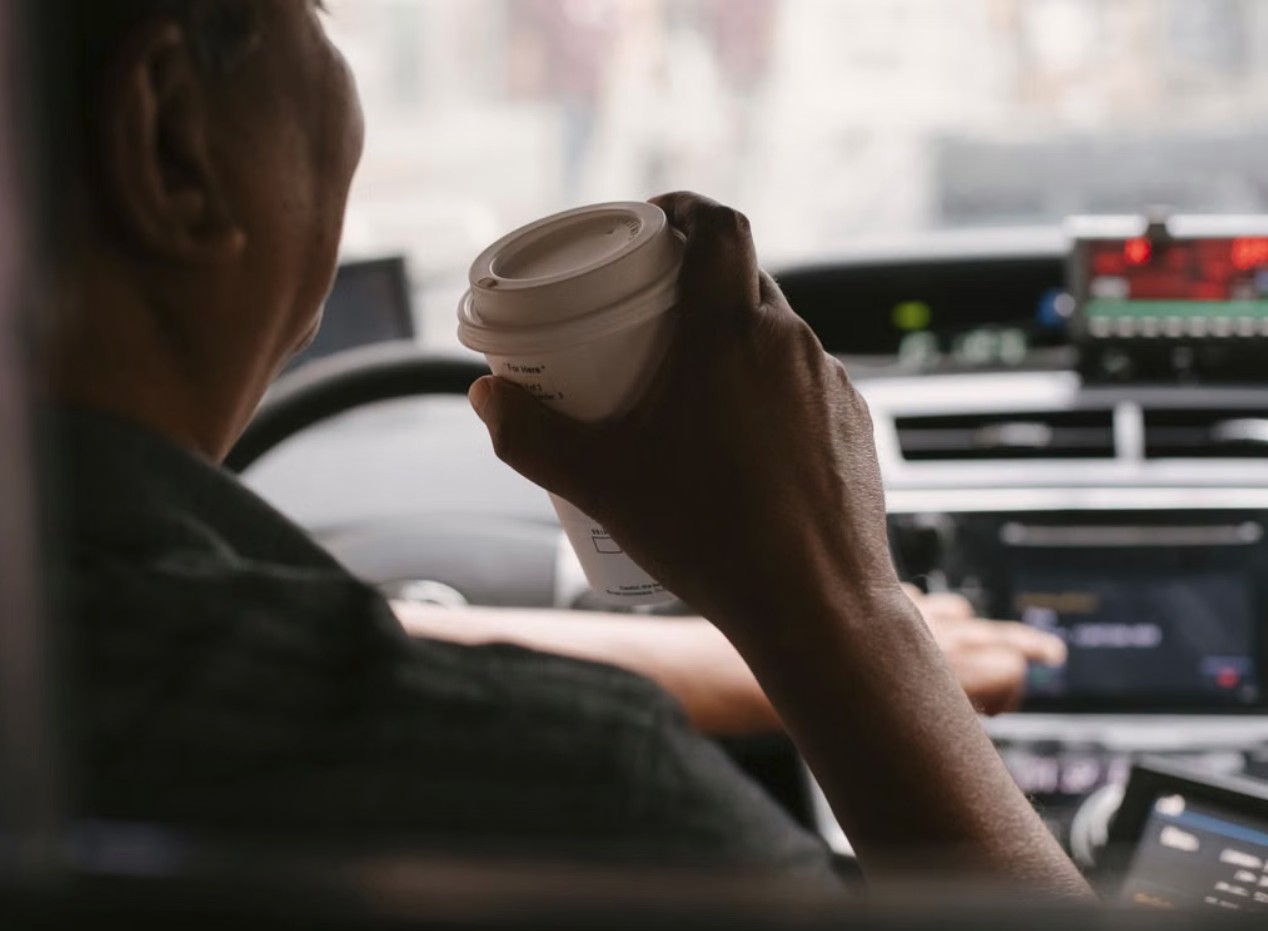
Rideshare drivers may be watching the app, navigating an unfamiliar pickup point, searching for a passenger, stopping abruptly, or making repeated lane changes. Airport staging areas, hotel entrances, casino corridors, event traffic, and late-night pickups add congestion and distraction. Some drivers work across multiple platforms, making hours and fatigue relevant.
Driver & platform responsibility

Liability may rest with the rideshare driver, another motorist, a vehicle owner, an employer, or an entity responsible for an unsafe loading area. Any direct claim against a transportation network company depends on the governing law and facts; platform insurance does not eliminate the need to prove fault and damages.

The digital trip record

The electronic trip receipt, screenshots, driver identity, route, pickup and drop-off messages, GPS history, dash-camera footage, and platform incident report can be critical. Hotel, casino, airport, traffic, or business video may be overwritten quickly. Preserve medical records, wage proof, and witness information as well.

Rideshare coverage by jurisdiction

California and Nevada coverage rules

California:

California law requires different insurance coverage during defined rideshare periods. The limits are higher after a ride is accepted and while a passenger is being transported than while a driver is merely logged in and waiting. California also uses pure comparative fault, allowing a claimant’s damages to be reduced by that person’s percentage of responsibility. Injury lawsuits generally have a two-year limitations period, but government-entity and other claims may have much shorter procedural deadlines.

Nevada:

Nevada also ties required transportation-network-company coverage to driver status, with greater coverage while transportation services are being provided. On an ordinary negligence claim, Nevada compares the injured claimant’s negligence with the combined negligence of the defendants from whom compensation is sought. Recovery is generally permitted when the claimant’s share does not exceed that combined share. Rideshare injury claims commonly have a two-year filing period, although exceptions can change that deadline.

Coverage should never be assumed from the fact that an Uber or Lyft sign was in the window. Personal policies may contain exclusions, platform policies may ask for proof of the app period, and another driver’s policy may be primary. The full policy language and digital timeline matter.

Keep the trip history

Steps that protect the claim

Call for medical and police assistance when appropriate. Screenshot the active trip, receipt, driver profile, route, messages, and every platform notification. Photograph all vehicles and the pickup or drop-off area, obtain witness contacts, and report the event in the app without speculating. A passenger should keep proof of seat position and trip purpose. Request preservation of platform and video evidence promptly.

Review the trip circumstances
Uber and Lyft Accidents

Uber and Lyft claim questions

View all FAQs

Does Uber or Lyft provide $1 million for every crash?

No. Required coverage depends on the jurisdiction and the driver’s app status. A stated policy limit also does not mean that amount will be paid or that every injury is covered.

What if another driver caused the collision?

The other driver’s insurance may be primary, while rideshare uninsured or underinsured coverage may become relevant depending on the trip phase, policy terms, and available limits.

Can a passenger be blamed for the crash?

Usually a passenger has little connection to driving fault, but insurers can still dispute seat-belt use, causation, injury severity, or conduct during entry and exit. Evidence remains important.

Reconstruct the trip timeline

Understand your rideshare claim.

If an Uber or Lyft trip ended in injury in California or Nevada, contact The Medrala Law Firm to review the digital timeline, responsible parties, insurance layers, and deadlines before records disappear.